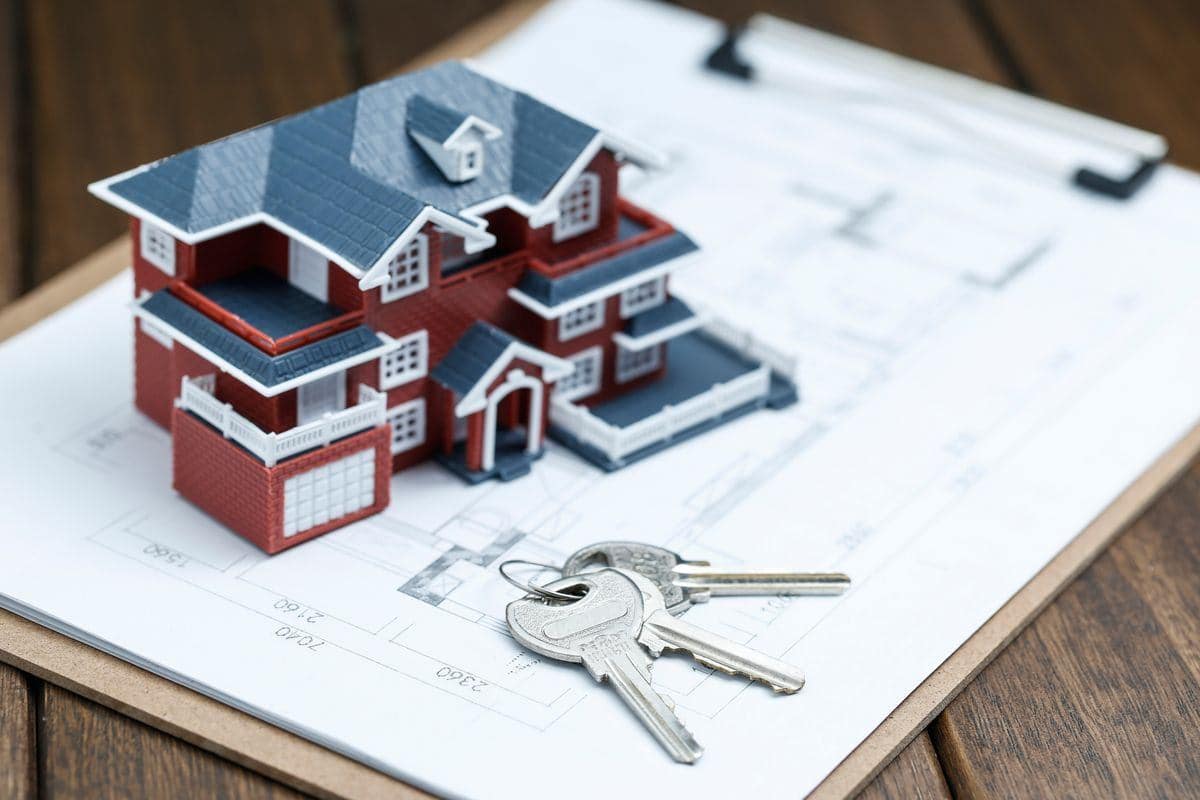
A single closing can sometimes deliver more than one front door. That is the appeal behind the question, what is multi family homes for sale, especially for buyers who want flexibility, rental income, or a property that supports both lifestyle and long-term value.
At its simplest, a multi-family home is a residential property designed for more than one household. Instead of one family occupying the entire structure, the property is divided into separate living spaces. Those spaces may be side by side, stacked on different floors, or arranged as individual units on the same lot. When buyers search for multi-family homes for sale, they are usually looking at duplexes, triplexes, fourplexes, or small apartment-style residential buildings.
What Is Multi Family Homes for Sale in Real Estate?
In practical terms, multi-family homes for sale are residential properties available to purchase that contain two or more separate housing units. Each unit typically has its own kitchen, bathroom, living area, and entrance, although layouts vary by property.
This category sits between a traditional single-family home and larger commercial residential buildings. A duplex, for example, may feel very close to a standard home in scale and setting, while a four-unit building starts to function more like an income-producing asset. That distinction matters because financing, maintenance expectations, and investment returns can shift depending on the size and use of the property.
For some buyers, the attraction is personal. They may want to live in one unit and keep relatives close in another. For others, it is financial. A multi-family property can create rental income from day one, which may help offset mortgage costs and improve cash flow over time.
The Most Common Types of Multi-Family Properties
Not every multi-family home looks the same, and that is where many first-time buyers get confused. The most common format is the duplex, which contains two separate units. A triplex has three, and a fourplex has four. These are often the most accessible entry points for residential investors because they remain small enough to feel manageable while still offering income potential.
Some multi-family properties are converted homes, where a large house has been legally divided into multiple apartments. Others are purpose-built, designed from the start for several households. Purpose-built properties often offer cleaner layouts and more predictable utility setups, while converted homes may carry character and charm but sometimes require closer review of permits, infrastructure, and renovation quality.
There are also townhouse-style multi-unit properties, courtyard buildings, and mixed-use layouts where residential units sit above a commercial space. Whether a property fits your goals depends less on the label and more on how the space functions, how it is zoned, and what level of management it requires.
Why Buyers Search for Multi Family Homes for Sale
Buyers usually arrive at this category for one of three reasons: income, flexibility, or future planning. A multi-family property can serve all three, but rarely in equal measure.
Income is the obvious draw. If one or more units are rented, the property can generate monthly revenue that helps cover ownership costs. For investors, that can create a more resilient purchase than a vacant land parcel or a single home that depends on one tenant. If one unit is empty, another may still be producing income.
Flexibility is just as valuable. Some families buy multi-family homes to house adult children, aging parents, or extended relatives while preserving privacy. This arrangement offers closeness without forcing everyone under one roof. In a premium market, that balance between connection and independence can be especially appealing.
Future planning also matters. A buyer may begin by living in one unit, then later move out and convert the entire property into an investment asset. That kind of phased ownership can be an elegant way to build wealth without stepping immediately into a large-scale real estate portfolio.
Multi-Family vs Single-Family Homes
A single-family home is built for one household, even if it has many bedrooms or an expansive lot. A multi-family property is built or configured for multiple households living independently within the same structure or development.
The difference sounds simple, but the buying experience can feel very different. Single-family homes are often easier to evaluate from a lifestyle perspective. You imagine where the family room furniture will go, how the garden will look, and whether the neighborhood suits your routine. With multi-family homes, you still consider comfort and location, but you also think like an owner of an income-producing asset.
That means looking beyond finishes and curb appeal. You need to assess rental demand, maintenance responsibilities, tenant privacy, utility arrangements, parking, and overall operating costs. In other words, a multi-family purchase is often both a home decision and an investment decision at the same time.
What to Look for Before You Buy
The right multi-family property is rarely defined by unit count alone. Location remains central. A well-positioned property in an area with strong demand, good access, and lasting appeal tends to offer more stability than a cheaper option in a weak rental market.
Condition is equally important. A property with several units also has several kitchens, bathrooms, systems, and wear points. Roof repairs, plumbing issues, electrical upgrades, and exterior maintenance can become more expensive simply because there is more to manage. Buyers should pay close attention to the age and quality of major systems, not just the cosmetic presentation.
You will also want clarity around occupancy. Is the property vacant, partially occupied, or fully rented? Existing tenants can provide immediate income, but they can also shape your flexibility. Lease terms, rent levels, security deposits, and tenant history all deserve review.
Zoning and legal use should never be assumed. A property may appear to function as multi-family housing but may not be legally approved for that use in its current form. That can affect financing, insurance, renovations, and future resale.
Is a Multi-Family Home a Good Investment?
It can be, but only when the numbers and the ownership model make sense. Multi-family homes often appeal to investors because they spread risk across multiple units and can produce stronger income than a single-family rental. If one tenant leaves, the entire property does not necessarily stop generating revenue.
That said, more units also mean more oversight. There are more maintenance requests, more turnover considerations, and more moving parts. Investors who want a hands-off experience may prefer a professionally managed property. This is where a company with both sales and property management expertise, such as Serenity Properties, can add meaningful value by helping buyers assess not just the purchase but the long-term ownership experience.
Returns also depend heavily on purchase price, financing terms, renovation needs, and realistic rent projections. A beautiful building is not automatically a strong investment. The most attractive opportunity is one where lifestyle quality, property condition, and income performance align.
Who Are Multi-Family Homes Best Suited For?
These properties suit a surprisingly wide range of buyers. First-time investors often see them as a practical entry into rental real estate. Owner-occupants may appreciate the chance to reduce living costs by renting neighboring units. Families may value the ability to keep loved ones nearby in a private but connected setting.
They can also work well for experienced buyers who want to diversify. In a market where refined residential property is both a personal and financial asset, multi-family ownership offers a more layered strategy than a standard home purchase.
Still, it is not for everyone. If you want complete privacy, minimal management, and a purely personal residence, a single-family or luxury standalone home may be a better fit. A multi-family property rewards buyers who are comfortable balancing comfort with responsibility.
The Real Value Behind the Definition
When people ask what is multi family homes for sale, they are usually asking more than a dictionary question. They want to know whether this type of property fits the life they are building.
The answer depends on your priorities. If you value income potential, flexibility for family living, or a more strategic path into property ownership, a multi-family home can be a smart and sophisticated choice. If your goals lean more toward exclusivity, simplicity, or a purely private home environment, another property type may suit you better.
The most rewarding real estate decisions are rarely about square footage alone. They are about choosing a property that supports the way you want to live, earn, and plan for what comes next.