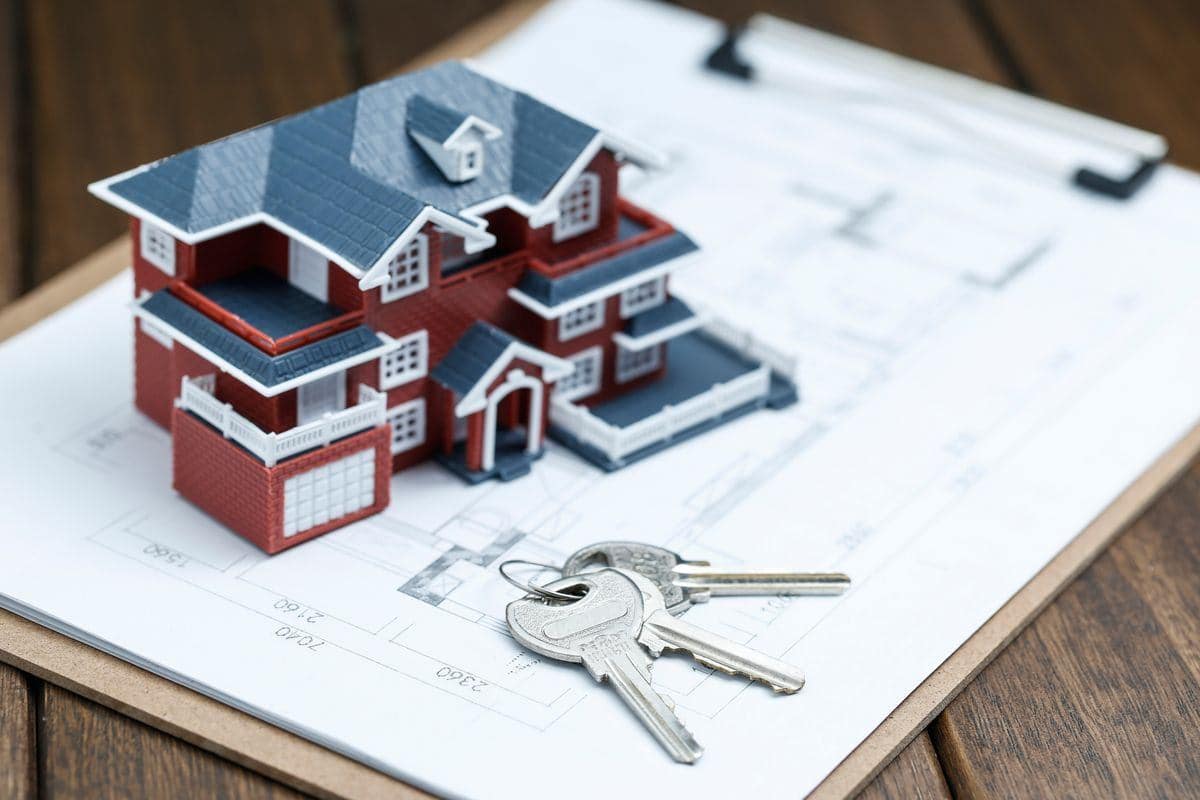
The buyers who move well in this market are rarely the ones rushing to reserve the first polished model home they see. They are the ones asking better questions early. If you are looking at new homes for sale 2026, this is the moment to think beyond fresh finishes and staged interiors and focus on value, timing, and the way a home will support your lifestyle over time.
A newly built home can offer clear advantages. Modern layouts, updated materials, better energy performance, and fewer immediate repairs all appeal to buyers who want comfort with less compromise. Still, 2026 is unlikely to reward passive decision-making. Interest rates, construction timelines, insurance costs, and inventory shifts may all shape what feels like a good opportunity.
Why new homes for sale 2026 will attract serious attention
New construction tends to gain momentum when buyers want predictability. With an existing home, charm can come with hidden maintenance. With a new home, the attraction is often simpler – cleaner condition, lower near-term upkeep, and design choices that reflect how people actually live now.
That matters for families who want open kitchens and flexible rooms, for professionals who need a polished home office, and for investors evaluating future rental appeal. Buyers are also paying closer attention to community design. Walkability, privacy, green views, and access to everyday essentials are becoming part of the value equation, not nice extras.
In a premium market, that shift is even more noticeable. A new home is not only about square footage. It is about ease, atmosphere, and a setting that feels calm and considered. For many buyers, especially those balancing lifestyle with long-term financial sense, that combination carries real weight.
What to evaluate before reserving a new build
The finish package often gets the spotlight, but the stronger decision usually starts with the less glamorous details. Builder reputation matters. So does the consistency of prior developments, the quality of materials used, and the level of after-sale support. A beautiful property can lose its appeal quickly if the process behind it feels uncertain.
Location deserves equal scrutiny. In some cases, buyers get drawn to an attractive introductory price without fully weighing infrastructure, traffic flow, nearby development, or long-term neighborhood character. A home can be newly built and still be in the wrong place for your routine or investment goals.
You should also ask what is truly included. Some new homes are marketed with a polished base price that excludes elements buyers assume are standard, such as premium appliances, upgraded fixtures, landscaping, storage solutions, or parking enhancements. The difference between advertised price and final cost can be meaningful.
Then there is timing. Pre-construction purchases can offer early pricing advantages and the chance to select finishes, but they also require patience and some tolerance for schedule changes. Move-in-ready homes reduce uncertainty, though they may come at a premium and offer less personalization. Neither path is automatically better. It depends on whether you prioritize control, speed, or budget.
Price is only one part of the cost
A new home can feel financially efficient because it should need fewer immediate repairs. That is often true, but buyers still need to budget with discipline. Closing costs, insurance, homeowners association fees where applicable, taxes, furnishing a larger space, and future maintenance all deserve attention.
For buyers in coastal or luxury markets, carrying costs can become especially important. A lower-maintenance home may still sit within a community with meaningful service fees or premium insurance requirements. The smarter question is not just whether you can buy the property. It is whether you will still feel comfortable owning it two or three years from now.
Features that will matter most in new homes for sale 2026
Trends come and go, but certain features are holding their value because they answer practical needs. Flexible living space remains high on the list. A room that can function as a guest suite, study, wellness space, or nursery gives a home longer relevance.
Energy efficiency is also moving from preference to expectation. Buyers are looking more closely at insulation quality, window performance, cooling systems, water efficiency, and the overall cost of operating the home. A visually impressive property that is expensive to run may feel less appealing after the first year.
Outdoor living continues to carry strong appeal, particularly in locations where climate supports year-round use. Buyers are not simply looking for a yard. They are looking for usable exterior space – shaded seating, entertaining areas, privacy, and a sense of connection to the landscape.
Storage is another area where polished design can either support daily life or frustrate it. Walk-in pantries, built-in cabinetry, practical laundry rooms, and thoughtful closet space may not be the headline features in a sales brochure, but they shape how a home feels once the novelty wears off.
Design that ages well beats trend-heavy choices
Some new builds chase the latest aesthetic too aggressively. Dramatic finishes can look current now and dated surprisingly fast. Buyers who think long term often do better with balanced design – clean lines, quality materials, natural light, and neutral foundations that can evolve with personal taste.
This is especially relevant in upper-tier properties. Luxury does not need to feel loud. In fact, the most enduring homes often create a quiet sense of quality rather than trying to impress at every turn. That approach tends to preserve both comfort and resale appeal.
How buyers can approach the market with more confidence
Confidence does not come from assuming the market will favor you. It comes from entering the process with clear priorities. Before touring properties, define what is non-negotiable and what is simply desirable. That sounds obvious, but many buyers blur the line once they see a sleek new kitchen or a beautiful primary suite.
Think in three layers. First, what does your lifestyle need right now? Second, what will still matter in five years? Third, what would make the home attractive if you eventually decide to sell or rent it? When all three align, a purchase tends to feel more stable.
It also helps to compare new construction against high-quality existing homes instead of assuming newer is always better. Some established homes offer more generous lot sizes, mature landscaping, or stronger locations. New homes offer efficiency and modern planning. The better choice depends on your priorities, not on a universal rule.
For investors, the equation is slightly different. Tenant appeal, operating costs, and long-term neighborhood demand may matter more than customization options. A stunning home with expensive specialty finishes may not always produce the strongest return. A well-located property with durable materials and broad lifestyle appeal may perform better over time.
A premium purchase should feel personal, not rushed
Buying a home at this level is not simply a transaction. It is a decision about how you want to live. That is why the process should feel measured and tailored rather than hurried. The right guidance can make a major difference, especially when weighing floor plans, finishes, future value, and the realities behind a developer’s marketing.
For buyers considering Barbados, this balance becomes especially appealing. New homes can offer modern comfort within settings that prioritize privacy, scenery, and a more composed pace of life. In that context, quality guidance is not about selling urgency. It is about helping buyers choose well.
A trusted real estate partner should be able to explain not just what looks attractive today, but what is likely to remain desirable tomorrow. That includes neighborhood potential, construction quality, ownership costs, and the subtle details that define everyday ease. Serenity Properties, for example, positions this process around personalized service and refined living rather than a purely transactional sale, which is exactly the kind of perspective many premium buyers value.
The most compelling homes in 2026 will not be the ones with the loudest marketing. They will be the ones that quietly combine comfort, quality, and long-term good sense. Buy with that standard in mind, and the right property will feel less like a gamble and more like a natural next step.