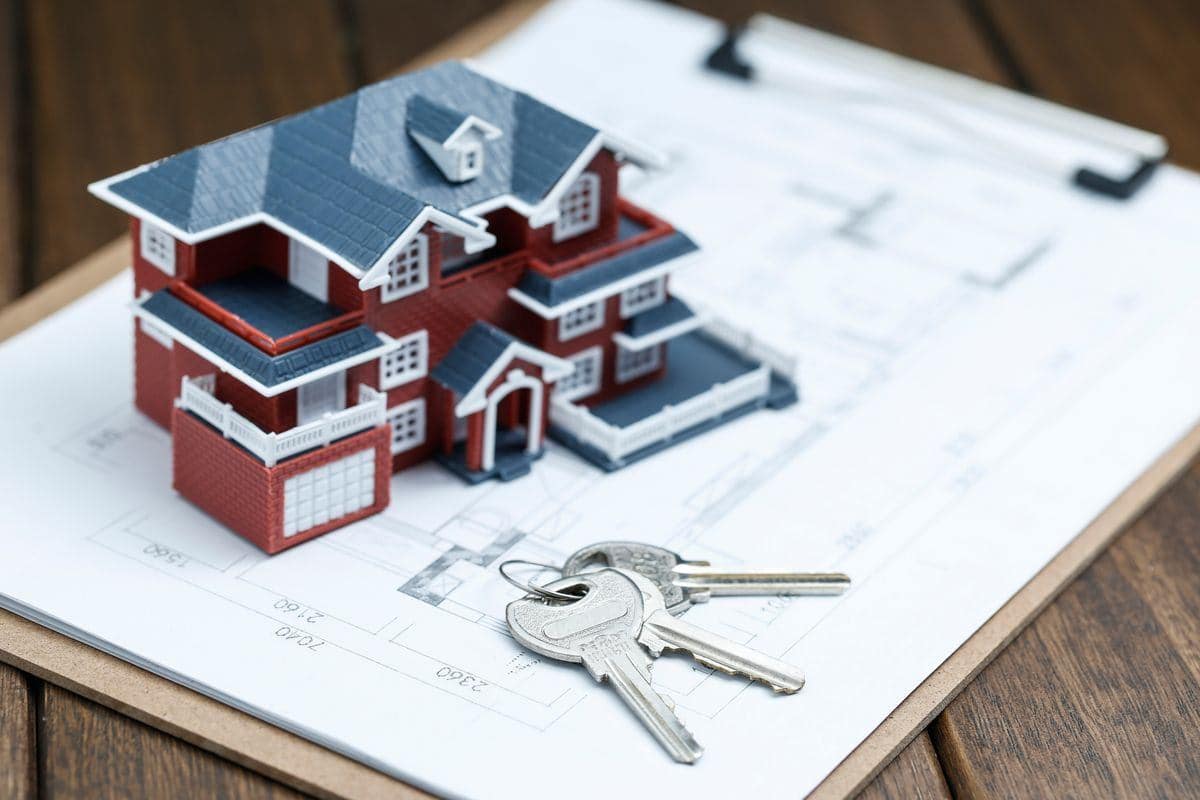
A beautiful listing can create an immediate sense of possibility: morning light across a terrace, a polished kitchen, a garden that feels made for quiet weekends. Yet the right property should offer more than a strong first impression. Knowing how to evaluate home listings helps you distinguish genuine long-term value from appealing photography, and choose a home that supports both your lifestyle and financial plans.
The most considered decisions balance emotion with evidence. A home should feel right, but it must also function well, hold its appeal, and fit comfortably within the full cost of ownership.
Start With the Life You Want to Live
Before comparing square footage or finishes, decide what your everyday priorities require. A family may value bedroom separation, outdoor space, school access, and a practical kitchen. A professional buyer may place greater weight on privacy, commute time, entertaining areas, or a dedicated home office. For others, a low-maintenance residence with security and convenient amenities may be the clearest path to comfort.
This step gives every listing a useful context. A striking beachfront apartment may be perfect for a lock-and-leave lifestyle, while a larger inland home may offer more privacy, land, and room to grow. Neither is automatically the better choice. The better choice is the one that serves the way you intend to live now and in the years ahead.
Consider your non-negotiables separately from your preferences. The number of bedrooms, accessibility, parking, budget ceiling, and desired location may be essential. A pool, ocean view, upgraded appliances, or a media room may be highly desirable, but they should not distract from fundamentals that will shape daily life.
How to Evaluate Home Listings Beyond the Photos
Listing photographs are designed to show a property at its best. They can reveal style, natural light, views, and the general condition of a home, but they rarely answer every practical question. Read the description closely for specifics: lot size, interior square footage, age, improvements, furnishing status, parking, security features, and any included appliances or outdoor amenities.
Pay attention to what is not clearly stated. If a listing highlights a renovated bathroom but says little about the roof, windows, plumbing, electrical system, or hurricane protection, those points deserve follow-up. An elegant finish can enhance a home, but sound construction and careful maintenance protect its value.
Floor plans are particularly useful when available. They reveal whether rooms connect naturally, whether bedrooms offer sufficient privacy, and whether the home has awkward or underused space. In a luxury residence, generous dimensions and refined finishes matter, but thoughtful flow matters just as much. A home should feel composed and easy to inhabit, not simply impressive on screen.
Assess the Location at Different Levels
Location is more than a neighborhood name. Begin with the immediate setting. Is the home on a quiet residential street, near a busy road, adjacent to vacant land, or close to commercial activity? Look at surrounding properties and consider how the area may feel at different times of day.
Then consider convenience. Estimate travel times to work, schools, shopping, medical care, beaches, restaurants, and other places that matter to your routine. In Barbados, road conditions, local traffic patterns, and proximity to the coast can influence both convenience and lifestyle in ways that a map alone may not capture.
Finally, think about the location as an asset. Desirable areas often retain demand because they offer a combination of privacy, access, views, established surroundings, or a distinctive sense of place. If future resale or rental income is part of your plan, consider who else would be drawn to the same property and why.
Look Closely at Condition and Maintenance
A listing should give you a sense of a home’s condition, but an in-person viewing is where details become clear. Notice signs of water intrusion, including stains on ceilings, musty odors, damaged paint, warped cabinetry, or soft areas in flooring. Check window and door operation, inspect exterior drainage, and ask about recent repairs.
For homes in coastal or tropical settings, exposure deserves particular attention. Salt air, humidity, heavy rainfall, and strong sun can affect roofs, exterior paint, metalwork, air-conditioning systems, and landscaping. Well-maintained homes can perform beautifully in these conditions, but maintenance should be consistent rather than deferred.
Ask when major systems were installed or last serviced. This includes the roof, water heater, air-conditioning, pool equipment, septic system where applicable, electrical panel, and appliances. A property that needs work is not necessarily a poor purchase. It may offer a worthwhile opportunity if the price, scope of improvements, and future value are aligned. The key is to understand the cost before you become emotionally committed.
A professional inspection remains one of the most valuable safeguards in the buying process. It can identify issues that are not visible during a viewing and help you negotiate repairs, credits, or an adjusted purchase price with greater confidence.
Calculate the Full Cost of Ownership
The asking price is only one part of the investment. A well-chosen home should leave room in your finances for comfortable ownership, not place pressure on the lifestyle you hoped it would enhance.
Beyond financing or the cash purchase price, account for closing expenses, insurance, property taxes, utilities, maintenance, landscaping, security, pool care, and potential homeowners association or condominium fees. If the property is part of a managed community, ask what fees cover and whether special assessments are possible.
For a home with a pool, expansive grounds, guest cottage, or premium finishes, ongoing care may be more substantial than it first appears. Those features can deliver exceptional enjoyment and rental appeal, but they should be viewed as part of the ownership equation. Request recent utility bills and, where possible, maintenance records to form a more realistic monthly and annual budget.
Consider Flexibility, Resale, and Rental Potential
Even buyers who expect to stay for many years benefit from considering flexibility. Circumstances change. A home with broad appeal, practical bedroom count, quality location, and durable design may be easier to resell when the time comes.
If you may rent the home in the future, evaluate it from a tenant’s perspective as well. Privacy, reliable internet, parking, outdoor living, furnishings, security, and proximity to key destinations can all influence rental demand. Luxury properties often command attention through views and finishes, but dependable management and ease of maintenance are equally meaningful for an income-producing asset.
Land size and zoning can also affect future possibilities. An unused portion of a lot, for example, may have value for a guest cottage, expansion, or redevelopment, subject to applicable approvals. Ask clear questions before assuming that a future plan is feasible.
View With Purpose and Ask Direct Questions
A viewing is not simply a chance to confirm that the photographs are accurate. It is an opportunity to experience the property honestly. Open closets, test water pressure, stand on the terrace, listen for road noise, and observe the amount of natural light in the rooms you will use most.
Ask why the property is being sold, how long it has been on the market, what improvements were completed recently, and whether there have been any known issues with water, pests, utilities, boundaries, or access. Ask about furnishings and fixtures as well. What appears in a listing may not always be included in the sale.
It is also wise to view a promising property more than once, ideally at a different time of day. The afternoon sun, evening activity, neighboring noise, and traffic can all change your understanding of a home. A calm second visit often brings the clearest perspective.
Let Expertise Support a More Certain Decision
The strongest purchase decisions are rarely rushed. They come from matching a property’s character, condition, costs, and location to a clear vision of what you need. An experienced real estate advisor can help you compare homes objectively, ask the right questions, coordinate due diligence, and see both the immediate appeal and the longer-term implications.
At Serenity Properties, personalized guidance is centered on more than finding an attractive address. It is about helping you recognize the home that offers lasting comfort, confidence, and a setting that feels distinctly your own. When a listing meets your practical requirements and still gives you a sense of ease when you walk through the door, it may be worth taking the next thoughtful step.