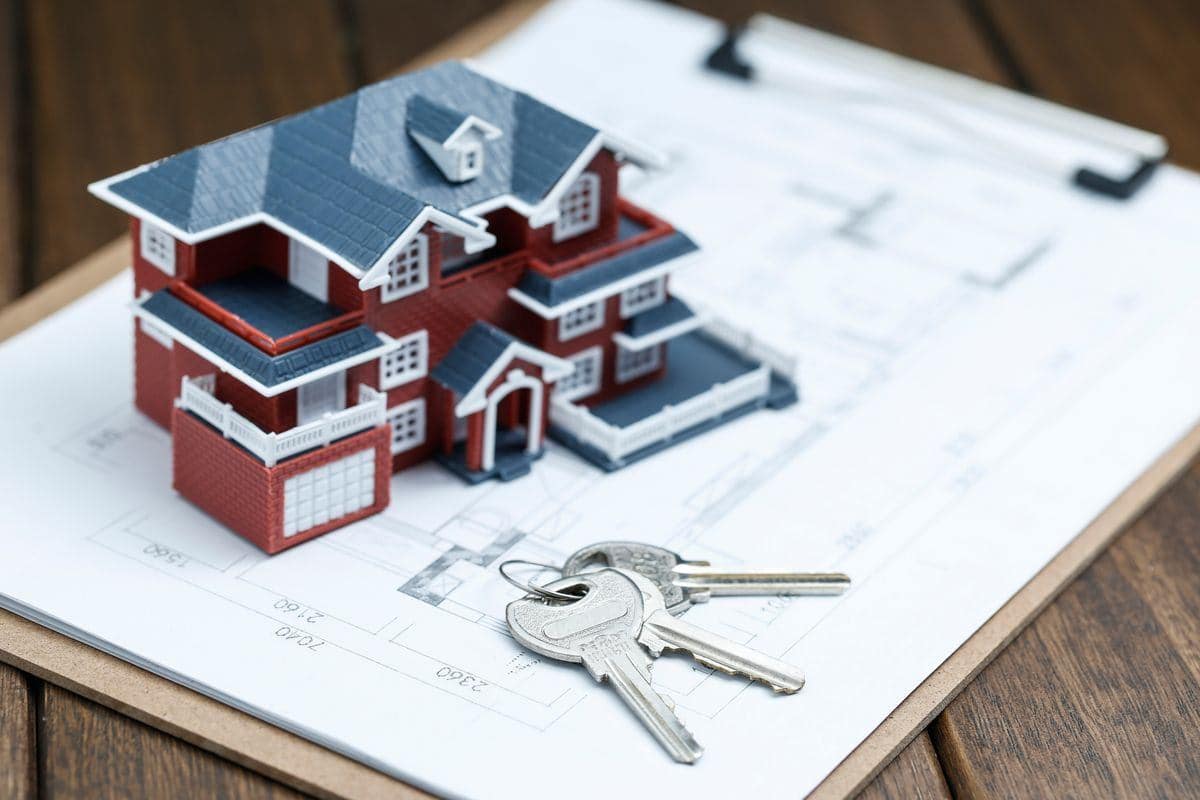
A polished kitchen, an efficient floor plan, and a price point that opens doors for more buyers – that is often where the question begins: what is manufactured homes for sale, and is this type of property the right fit for your lifestyle or investment goals? For buyers looking for comfort, value, and a more flexible path into homeownership, manufactured homes deserve a closer look than they often receive.
The phrase itself is a little awkward, but the intent is clear. People searching for manufactured homes for sale usually want to understand what these homes are, how they are built, what they cost, and whether they offer the quality and long-term value expected from a residence. Those are smart questions, because manufactured housing sits in a category of its own.
What is manufactured homes for sale really referring to?
In practical terms, manufactured homes for sale are factory-built homes constructed under a national building standard and then transported to their homesite. They are designed for full-time living and can range from compact single-section layouts to spacious multi-section residences with modern finishes, open-plan interiors, and features that feel comparable to many site-built homes.
The key distinction is how they are built. Unlike a traditional house assembled entirely on-site, a manufactured home is built primarily in a controlled factory setting. That process can reduce material waste, shorten build times, and create more predictable construction quality. For many buyers, that translates into better budget control and faster occupancy.
A manufactured home may be placed in a planned community, on leased land, or on privately owned land, depending on local regulations and the structure of the purchase. That detail matters because the land arrangement often affects financing, resale value, monthly costs, and overall lifestyle.
Manufactured homes vs. mobile homes vs. modular homes
This is where confusion usually starts.
Many people still use the term mobile home for any factory-built residence, but that is not always accurate. A mobile home generally refers to a factory-built home produced before modern manufactured housing standards took effect in 1976. A manufactured home is the updated category, built to a federally regulated code that governs design, safety, durability, and performance.
Modular homes are different again. They are also factory-built, but they are constructed in sections and assembled on-site under local or state building codes, much like traditional houses. Because of that, modular homes are often treated more like site-built properties in financing and appraisal.
So if you are asking what is manufactured homes for sale, the simplest answer is this: they are modern factory-built homes sold as residential properties, but they are not the same as older mobile homes, and they are not identical to modular homes either.
Why buyers consider manufactured homes for sale
The appeal is not only affordability, though that is a major reason. Manufactured homes can offer a smart route to ownership for first-time buyers, downsizers, retirees, and investors seeking practical residential options.
Cost is often the headline benefit. Because construction takes place in a factory, labor and materials can be managed more efficiently. That does not mean every manufactured home is inexpensive, especially when you add land, transport, site preparation, utility connections, and upgrades. Still, many buyers find they can secure more interior space or better finishes for their budget compared with some site-built alternatives.
There is also a lifestyle advantage. Today’s manufactured homes are available with attractive kitchens, generous primary suites, energy-efficient systems, and layouts designed for modern living. The outdated image many people carry no longer reflects the full market.
For investors, the value proposition depends on location, land ownership, tenant demand, and local legal frameworks. In the right setting, a manufactured home can serve as an income-producing rental or part of a broader land-use strategy. But it is not a one-size-fits-all asset.
What to look for when buying a manufactured home
Buyers should approach these properties with the same care they would apply to any real estate purchase, while paying attention to a few category-specific details.
First, clarify whether you are buying the home only, or the home and land together. That difference shapes the transaction. A manufactured home on owned land may function more like a traditional real estate purchase. A home on leased land introduces another layer of cost and control, including lot rent, community rules, and long-term site security.
Next, review the age and condition of the home. Newer manufactured homes may offer better energy performance, updated materials, and easier financing options. Older homes can still represent value, but they may require closer inspection for roofing, plumbing, tie-down systems, insulation, flooring, and structural wear.
The installation setup matters as well. A well-installed manufactured home should have proper foundation support, utility connections, drainage planning, and compliance with local standards. Problems in setup can affect safety, insurance, and future resale.
Then there is the question of appreciation. Some manufactured homes increase in value, especially when they are well maintained and sit on owned land in desirable areas. Others may behave more like depreciating personal property, particularly if the land is leased. This is one of the biggest it-depends areas, and buyers should be realistic rather than relying on assumptions.
Financing and insurance can work differently
One reason buyers pause over manufactured homes is financing. That hesitation is understandable.
Lenders often look at several factors: the home’s age, whether it is permanently attached to land, whether the land is included in the sale, and how the property is legally classified. A manufactured home treated as real property may qualify for mortgage-style financing. If it is treated as personal property, financing terms may differ and sometimes carry higher rates or shorter repayment periods.
Insurance also varies. Premiums can depend on location, weather exposure, age of the home, and the installation method. Buyers should confirm insurance availability early, not after they have emotionally committed to a purchase.
For premium-minded buyers, this is where professional guidance becomes especially valuable. An attractive price means very little if financing, title structure, or long-term site terms create limitations later.
What is manufactured homes for sale in a premium market context?
In higher-end or lifestyle-focused markets, buyers may assume manufactured housing has little relevance. That is not always true.
A well-sited manufactured home can make sense as a private residence, a staff accommodation solution, a rental asset, or a flexible housing option on land with development potential. In places where land value and lifestyle appeal are central, the home itself is only one part of the equation. Privacy, setting, convenience, and future use all matter.
For example, a buyer in Barbados may evaluate a manufactured home differently depending on whether the priority is affordable primary living, a land-based investment strategy, or supplemental accommodation on a larger property. Climate, import logistics, planning requirements, and local market acceptance all shape the answer. That is why broad assumptions rarely serve serious buyers well.
The trade-offs buyers should weigh carefully
Manufactured homes can be an excellent fit, but they are not the right choice for every buyer.
If your priority is a highly customized architectural statement, a conventional custom build may offer more freedom. If your goal is speed, budget discipline, and practical comfort, manufactured housing may be more attractive. If resale performance is central to your decision, you need to study the specific land arrangement and local demand rather than relying on general market myths.
Community living can also be either a benefit or a drawback. Some buyers appreciate managed surroundings and predictable neighborhood standards. Others prefer the autonomy of owning land without community oversight. Neither is universally better. It depends on how you want to live.
The same goes for aesthetics. Today’s manufactured homes can be beautifully finished, but quality varies by manufacturer, model, and installation. Buyers should judge the actual property in front of them, not the label alone.
Is a manufactured home a good investment?
Sometimes yes, sometimes no.
If you purchase a quality home, place it in a strong location, maintain it well, and secure favorable land terms, a manufactured home can be a sound lifestyle purchase and, in some cases, a worthwhile investment. If you overlook site costs, legal classification, financing terms, or resale conditions, the numbers may be less appealing.
The most successful buyers tend to ask grounded questions. What exactly is included in the sale? How is the property titled? What are the monthly carrying costs? How easy will it be to finance, insure, and resell? Those answers matter more than broad opinions.
Manufactured homes for sale are not simply budget housing. At their best, they offer efficient design, modern comfort, and an accessible path to ownership or income potential. The right opportunity is the one that aligns with your land position, financial strategy, and vision for how you want to live. Choose with clarity, and this category can offer far more than many buyers expect.