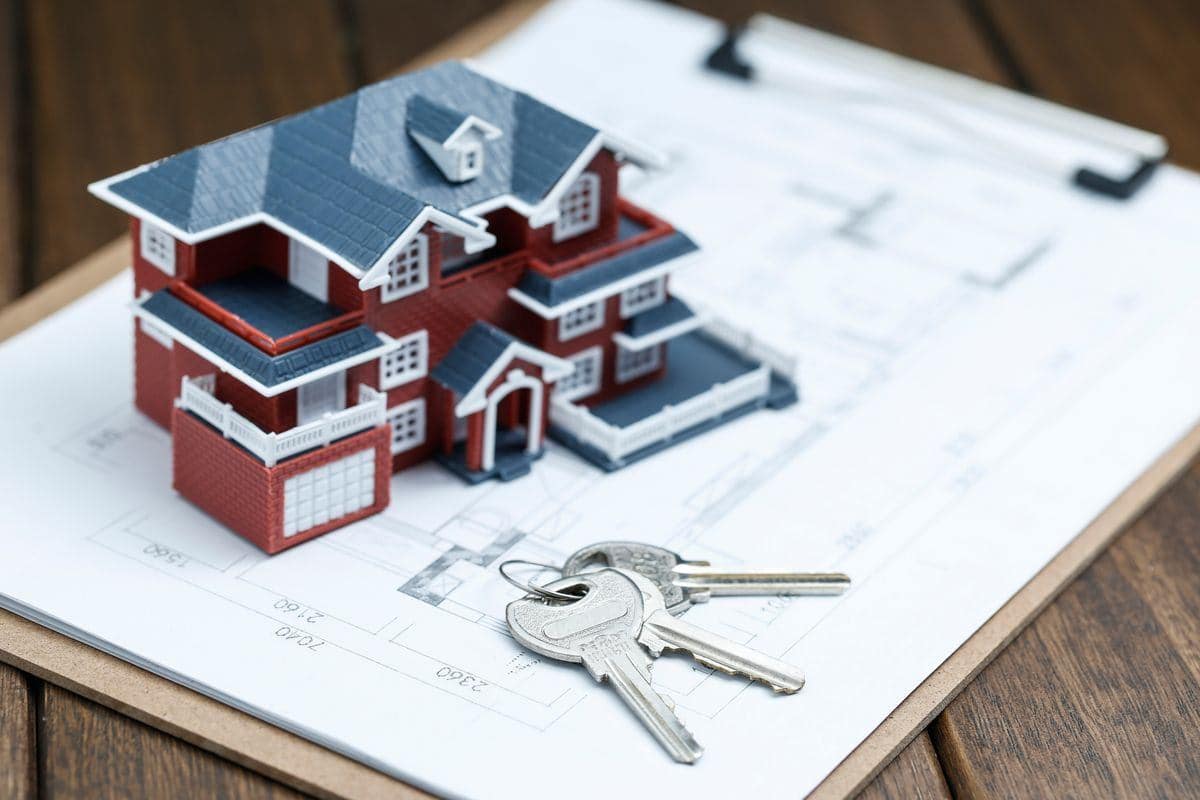
A home in Barbados can mean very different things depending on what you want from it. For one buyer, it is a beachfront retreat with strong rental appeal. For another, it is a quiet family residence near schools, amenities, and daily convenience. This Barbados home buying guide is designed to help you make that distinction early, because the best purchase is rarely the one with the biggest view or the trendiest address. It is the one that fits your lifestyle, your plans, and your financial comfort with confidence.
Buying property here can feel wonderfully straightforward when you understand the market, but assumptions are expensive. A polished listing may hide high maintenance costs. A competitively priced home may need more updating than expected. And a beautiful location may suit vacation living better than year-round practicality. The more clearly you define your priorities, the more refined your decision-making becomes.
Barbados home buying guide: start with the right brief
Before you look at houses, define what success looks like. Are you buying for full-time living, seasonal use, retirement, or investment? That single question shapes nearly every decision that follows, from location and property type to carrying costs and expected returns.
A buyer seeking personal comfort may prioritize privacy, breezes, outdoor living, and easy access to beaches or dining. An investor may focus more on occupancy trends, maintenance efficiency, and resale appeal. Families often look at commute times, neighborhood character, and usable interior space rather than headline features.
This is where many purchases go off course. Buyers begin with aspiration, which is natural, but not enough. A home can be elegant and still be the wrong fit. If your intention is clear from the start, the search becomes calmer, faster, and far more productive.
Understand what your budget really needs to cover
Purchase price is only the beginning. A well-planned budget should account for legal fees, due diligence, taxes where applicable, insurance, utilities, furnishing, and ongoing maintenance. If the property sits within a managed development or private community, there may also be association or shared maintenance fees.
For buyers considering a second home or income-generating property, operational costs matter even more. Pools, gardens, hurricane preparedness, air conditioning, and coastal upkeep can all influence long-term ownership costs. A home that appears attractively priced at first glance may be more expensive to hold than a newer or more efficiently designed alternative.
Financing also deserves a realistic look. Some buyers purchase in cash, while others explore mortgage options. Terms vary, especially for non-resident buyers, and approval timelines can affect negotiation strategy. If financing is part of the plan, get clarity early. Sellers tend to respond more confidently when a buyer is well prepared.
Choosing the right location in Barbados
Location is not just about prestige. It is about rhythm. Some areas offer a highly social, resort-style atmosphere with strong short-term rental appeal and immediate access to restaurants, marinas, and nightlife. Others deliver a more residential pace, with a sense of privacy and a stronger emphasis on community and daily living.
That trade-off matters. A home in a sought-after coastal setting may hold strong lifestyle and resale appeal, but can come with higher entry prices and upkeep expectations. Inland or less tourism-focused areas may offer more space, better value, and a quieter environment, which appeals to buyers who care more about comfort than visibility.
Think carefully about how often you will actually use what surrounds the property. If you are not a frequent golfer, a golf community may not justify the premium. If you work remotely, reliable access, utilities, and a practical floor plan may matter more than being steps from the beach. The right address is the one that supports your real life, not just your idealized one.
Property types and what they mean for ownership
Detached homes, villas, condos, townhouses, and land-led custom builds each offer a different ownership experience. Detached homes typically provide the greatest privacy and flexibility, but they also place more responsibility on the owner for maintenance and management. Condos and townhouses can be easier to maintain and may suit lock-and-leave ownership, though shared fees and community rules should be reviewed carefully.
Luxury villas often appeal to buyers seeking elevated design, outdoor entertaining, and income potential through high-end rentals. They can be compelling assets, but only when owners are comfortable with the standards of maintenance expected at that level. Premium finishes, larger grounds, and lifestyle amenities create appeal, yet they can also raise annual costs.
If you are considering land with plans to build, be honest about your timeline and tolerance for complexity. Building can create a highly personalized result, but it demands patience, a reliable professional team, and careful budget control. For some buyers, a completed home is the more serene decision.
The legal process in a Barbados home buying guide
The legal side of a purchase should feel precise, not rushed. Once terms are agreed, an attorney typically handles the conveyancing process, confirms title, and reviews the legal standing of the property. This stage is where experience protects you. You want clarity on boundaries, planning permissions where relevant, easements, covenants, and any obligations attached to the property.
Due diligence is not a formality. It is where potential issues surface before they become your responsibility. If the home has been altered or expanded, those changes should be properly documented. If the property sits in a development, review the rules, fees, and maintenance arrangements carefully.
For overseas buyers, it is also wise to understand currency handling, fund transfer requirements, and any regulatory considerations that may apply. These details are manageable, but they are best addressed early rather than just before closing.
Inspections, condition, and the hidden cost of charm
A property can photograph beautifully and still require meaningful investment after purchase. Inspections help you understand structure, roofing, drainage, electrical systems, plumbing, and signs of wear that may not be obvious during a viewing. In a tropical climate, ventilation, moisture management, and material durability deserve close attention.
Older homes often carry a kind of character that newer properties cannot replicate. That can be deeply appealing. But charm should be evaluated alongside practicality. Renovation costs can rise quickly, especially when imported finishes or specialized work are involved.
Newer homes, by contrast, may offer cleaner lines, lower near-term maintenance, and more energy-efficient systems. They can feel less distinctive, but easier to manage. There is no universal right answer here. It depends on whether you value personality, convenience, or a balance of both.
Buying for lifestyle versus buying for return
Many buyers want both, and that is reasonable, but one goal usually leads. If rental income is a serious objective, your purchase should be judged partly on occupancy appeal, guest experience, management logistics, and year-round desirability. The home you personally love may not always be the one that performs best as an income-producing asset.
If lifestyle comes first, think beyond the transaction. How does the home feel in the morning, in the heat of the day, and during the rainy season? Is the outdoor space truly usable? Does the layout support entertaining, privacy, or multigenerational living if needed? A property should not only impress on arrival. It should support a refined and comfortable rhythm over time.
For buyers who want flexibility, professionally managed properties can offer a useful middle ground. With the right support, ownership becomes less operational and more enjoyable, especially when the property is not occupied year-round.
How to make a confident offer
A strong offer is not always the highest one. Sellers respond to certainty, timing, and buyer readiness. If your financing is organized, your legal representation is in place, and your expectations are realistic, your position is stronger from the outset.
This is where market understanding matters. Some properties justify firm pricing because of condition, location, or rarity. Others leave room for negotiation, especially if repairs are needed or the listing has been active for some time. Emotional discipline matters here. A home can be special without being worth any price.
Working with a knowledgeable real estate partner can make this stage far more measured. Serenity Properties, for example, approaches the buying process with the kind of personalized guidance that helps clients assess value with both clarity and composure.
What smart buyers do before they commit
They revisit the property with fresh eyes. They ask practical questions after the initial excitement fades. They compare not just features, but ownership experience. And they consider what the home will mean in five or ten years, not only on closing day.
That longer view often sharpens the right decision. A slightly less dramatic home in a more functional location may deliver greater day-to-day satisfaction. A turnkey property may preserve peace of mind better than an ambitious renovation. The smartest purchase is usually the one that still feels right when the emotion settles and the reality of ownership begins.
The finest homes are not simply bought well. They are chosen well, with a clear sense of how you want to live and what kind of future you want your property to support.